What is Catfishing? Spot Warning Signs and Stay Safe Online


Key Takeaways
- Catfishing means inventing a fake online identity, usually with stolen photos, to win someone's trust.
- The classic signs of catfishing: dodged video calls, stories that shift, love declared far too fast, and eventually a request for money.
- A reverse image search takes under a minute and can expose a stolen photo.
- Never send money, gift cards, or crypto to someone you haven't met in person.
- If you think you're talking to a catfish, stop replying, keep screenshots, block them, and report the account.
Picture this. You match with someone funny, good-looking, and oddly easy to talk to. Two weeks later, you're texting every morning before coffee. Then they cancel a video call for the third time. Something feels off, but you can't say what. That nagging feeling deserves your attention. Below, we explain what catfishing is, how it unfolds, and what you can do about it.
What is Catfishing?
Catfishing is when someone makes up an online identity and uses it to fool another person. Usually the photos belong to a stranger, while the name, job, and hometown are fiction. Dating apps are the classic hunting ground. But it also happens on Instagram, Facebook, and in gaming lobbies.
Why is it Called Catfishing?
A 2010 documentary called Catfish pushed the word into everyday speech. It followed a man who fell for someone online who wasn't the person she appeared to be. MTV turned the idea into a TV series in 2012, and by then everyone had a name for it.
What Does it Mean to be Catfished?
It means you got emotionally invested in someone who lied about who they are. That's it. Plenty of victims feel stupid afterward, even if they never lost a cent. You weren't stupid. You trusted a person, and that person took advantage. The shame belongs to them.
How Catfishing Works: What Happens Behind the Screen?
Most cases follow a script. It starts sweet, speeds up quickly, and ends with a request. Once you know the stages, they're easier to spot, and you can step away while the damage is still small. The table walks through each one.
| Stage | What You See | What Is Really Happening |
| Profile | Attractive photos, polished bio | Stolen images, invented details |
| Contact | Warm messages, quick compliments | Testing whether you reply easily |
| Bonding | Daily chats, shared secrets | Building trust and dependence |
| Crisis | A sudden emergency | Setting up the money request |
| Ask | Gift cards, transfers, or crypto | Cashing in on your trust |
Where Does Online Catfishing Usually Start?
Anywhere strangers can message each other for free. Dating apps, Instagram DMs, Facebook, gaming chats. Then the conversation drifts to WhatsApp or Telegram, where nobody is watching. A fast push to leave the original app is a good reason to slow everything down and start asking questions.
Why Do People Catfish?
Not every catfish wants your money. Some are lonely and want to feel admired for once. Others are after revenge, anonymity, or a bit of chaos. A smaller group runs fraud for a living, and they do the real damage. The usual motives look like this:
- Insecurity. They dislike their own life and borrow someone else's face to feel wanted.
- Money. They build trust slowly, then ask for cash, gifts, or bank details.
- Revenge or harassment. They pose as a real person to embarrass them or keep watching someone who blocked them.
- Cover. Some want anonymity so they can cheat, troll, or avoid consequences.
- Mental health. Loneliness, anxiety, or depression can push a person toward a braver, invented self.
The motive changes how the story starts, not how it hurts. Look after yourself first.
What is a Catfishing Scam?
![]()
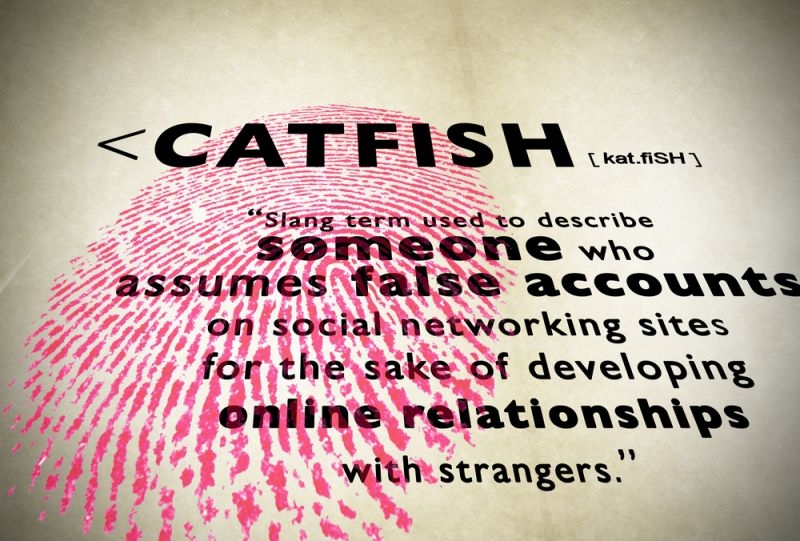
A catfishing scam is a fake relationship with a price tag. Affection is the bait, and money is the goal. The scammer may say they're a soldier, an oil rig engineer, or a doctor working overseas, which conveniently explains the missed calls. Once you're attached, the requests begin: travel costs, medical bills, customs fees, and a "sure thing" investment.
Also Read: WhatsApp Dating Scams: Signs, Tactics, and How To Stay Safe
What are the Signs of Catfishing?
No single clue proves anything. When several show up together, though, it's time to look closer. These are the signs of catfishing that victims and security experts mention most often. Keep a running count, because scammers rarely stick to one tactic.
1. They Won't Video Call or Meet
A live video call or a coffee date would end the act in seconds, so catfishes avoid both. The excuses are creative. Broken camera, bad signal, sudden trip abroad, shame about looking after an illness. Everyone cancels once in a while. Three cancellations after you've picked a time is a pattern, not bad luck.
2. Their Profile Looks Too Perfect
Be suspicious of a handful of glossy photos, few friends, and barely any activity. That's often a brand-new fake. Photos that haven't changed in years can also be a clue, since they may come from one real person's old uploads. Studio-quality shots with a vague job title? Look twice.
3. Their Stories Don't Add Up
Keeping a false identity going takes constant lying, and sooner or later the details wobble. Names, dates, workplaces, and cities stop matching. Someone who claims to have gone to a famous university might not know a single campus landmark. Ask casual follow-up questions over several days and compare what you hear.
4. They Move Way Too Fast
Love declarations within days. Pet names in week one. Talk of a future together before you've even met. Catfishers rush on purpose, because intensity breeds dependence, and dependence makes you feel guilty for asking questions. Real relationships grow slowly. If someone demands total commitment overnight, back off.
5. They Ask for Money or Favors
Cash, gift cards, wire transfers, crypto. Any request like that is the loudest alarm there is. The story varies: hospital bills, a stolen wallet, surprise customs fees, an investment that can't wait. Say no, politely. Someone who truly cares about you won't tie their affection to your bank balance.
How to Spot a Catfish Before You Get Attached?
The sooner you catch one, the less it costs you, in money and in heartbreak. A handful of small habits will filter out most fakes within minutes. And try this: show the early chats to a friend you trust. Outsiders often spot red flags that you're too invested to notice.
How to Tell If Someone Is Catfishing You?
Feeling uneasy? Run a few quick checks before things get serious. The table below shows how to tell if someone is catfishing you with free tools and plain common sense.
| Quick Check | How to Do It | What Should Worry You |
| Reverse image search | Drop their photos into Google Lens or TinEye | The same face shows up under a different name |
| Video call | Ask for a quick live chat, without much warning | Excuses, again and again |
| Social footprint | Scroll back through their older posts and see who comments | Almost nothing there, or an account that's only weeks old |
| Story check | Notice small details over a few days | Job, city, or family details that quietly change |
| Money test | See whether the conversation drifts toward payments | Any urgent, emotional plea for cash |
One failed check isn't proof. Two or three together? Time to end the conversation.
How to Avoid Catfishing?
Learning how to avoid catfishing mostly means slowing down and verifying before you trust. You don't need to turn paranoid. A few solid habits and a calm head are enough. Start with reputable platforms that verify members, and read our online dating tips before setting up a profile.
How to Protect Yourself From Catfishing Every Day?
None of this should turn dating into homework. It's closer to locking your front door: quick, a little boring, and very effective.
- Keep your address, workplace, and financial details private until someone has earned your trust.
- Use a separate email and phone number for dating apps.
- Stay on the dating platform until you've confirmed the person on live video.
- Meet first in a busy public place, tell a friend, and arrange your own ride home.
- Turn on two-factor authentication so nobody can hijack your accounts later.
What to do if You are Being Catfished?
Finding out hurts. Still, acting fast and staying calm can limit the damage to your money and privacy. Go through these steps in order, and please don't blame yourself. Skilled manipulators fool smart people every day.
- Stop talking to them. Don't confront them, since that can bring more manipulation or even threats.
- Save everything: screenshots, usernames, payment receipts, messages. banks and investigators will want them.
- If you sent money, call your bank or payment provider right away and ask whether it can be reversed.
- Block the account and report it to the platform. You might spare the next person.
- Report financial losses to the police or your national fraud agency, and lean on someone supportive.
Conclusion
Catfishing feeds on trust, loneliness, and speed. Patience and a little verification beat all three. Watch for dodged calls, wobbly stories, and money requests, and don't talk yourself out of a bad feeling. A real connection can handle a few questions. If someone can't, you've learned what you needed to know.
Must Read: Shocking Crimes on Online Dating Sites You Must Know
Frequently Asked Questions
Is catfishing illegal?
Not by itself. Pretending to be someone else online isn't automatically a crime, but it turns criminal once fraud, identity theft, harassment, or extortion enters the picture. Report those cases to local police.
Can catfishing happen outside dating apps?
Yes, and it happens often. Catfishers show up on Instagram, Facebook, gaming chats, and messaging apps. If strangers can talk there, a fake identity can too, so check people out wherever you meet them.
What is kitten fishing?
Kitten fishing means bending the truth on smaller details, like your age, height, job, or how recent your photos are. It does less damage than full catfishing, but it still wears down trust.
Can someone catfish you with AI-generated photos?
Yes. Scammers now use AI-generated faces and cloned voices. Reverse image searches can come up empty, so ask for a spontaneous live video call and watch for odd lighting, glitches, or stiff movement.
Who is most likely to be targeted?
Anyone can be, whatever their gender, age, or background. Scammers lean toward people who seem lonely, trusting, or financially comfortable, which is why slowing down and verifying matters for every person who dates online.
This content was created by AI