WhatsApp Dating Scams: Signs, Tactics, and How To Stay Safe


Key Takeaways
- Typically, WhatsApp dating scams start with the emotional side of things, followed by the scammer bringing in their demands for money or investment.
- The indicators of dating fraud using WhatsApp include rapid intimacy, inconsistency in the story, making excuses for not having any identification, requesting money, and making demands quickly.
- To avoid such scams, you should verify your interactions, limit sharing of personal information, refrain from making strange payments, and report any scam accounts.
Online dating can help one find genuine people, but it can also open doors for criminals to make connections through fake identities. Online dating scams on WhatsApp can gradually develop into being so difficult to recognize when there seems to be genuine conversation taking place. A fraudster may spend time researching a potential victim before making any requests.
Learning about such scams, spotting suspicious behavior, and responding to a red flag appropriately may help one avoid financial, identity, account, and even emotional losses.
How Do WhatsApp Dating Scams Work?
WhatsApp romance scams do not resort to any form of hacking but make use of social engineering instead. Social engineering involves the construction of a false identity by the fraudster and developing a relationship with the victim. The fraudster could assume the identity of a professional, tourist, businessperson, military personnel, or any other person who is away from his or her home.
Once there is some level of trust built between the two individuals, the scammer will introduce some sort of problem or opportunity. These can include medical issues, problems when traveling, unpaid bills, or investments.
Information theft is also possible where the scammer uses links that capture the login credentials of the victim or other sensitive information.
The key element of this scam is manipulation of the target such that he/she does not question the story and does not verify his/her identity or request.
Also check: Shocking Crimes on Online Dating Sites You Must Know
How to Spot WhatsApp Dating Scams?
The identification of the scam on WhatsApp starts with analyzing patterns, rather than concluding that the presence of certain behavior indicates fraud. Someone may simply have less time to chat or prefer texting. It becomes alarming if many red flags exist at once, particularly regarding money, identity, or haste.
They Want the Conversation Fast-Tracked
It is not unusual to want to transition from dating apps to WhatsApp as such. Yet, scammers may want this done quickly to isolate the conversation from a medium where the profile may be tracked down and reported.
They Do Not Provide Proper Verification
Consistent avoidance of video calls, unreasonable reluctance to answer questions, and excuse-making in regard to the meetings might be alarming if there are additional issues present. An honest person may have their reasons for doing so.
Their Personal Story Changes
Pay attention to someone’s job, location, family situation, travel plans, etc. when they keep changing. It can be hard to maintain a fabricated identity consistently, especially over long conversations.
They Create Emotional Intensity
Some scammers will compliment you often, talk about their affection for you, or talk about your future together very early on. Emotional dependence can make a person much easier to ignore when contradictions come up or to fulfill demands made later on.
They Ask For Money
Emergencies, traveling, medical care, rent payments, customs duties, loans, gift cards, cryptocurrencies, and investments are all red flags. The demand can start small but grow larger as trust is built.
They Send Suspicious Links
Someone might click on a link that supposedly provides images or confirmation, access to a stock market, or help with a problem. Links that are unexpected can take someone to a phishing website for harvesting information.
WhatsApp Scam Warning Signs to Watch
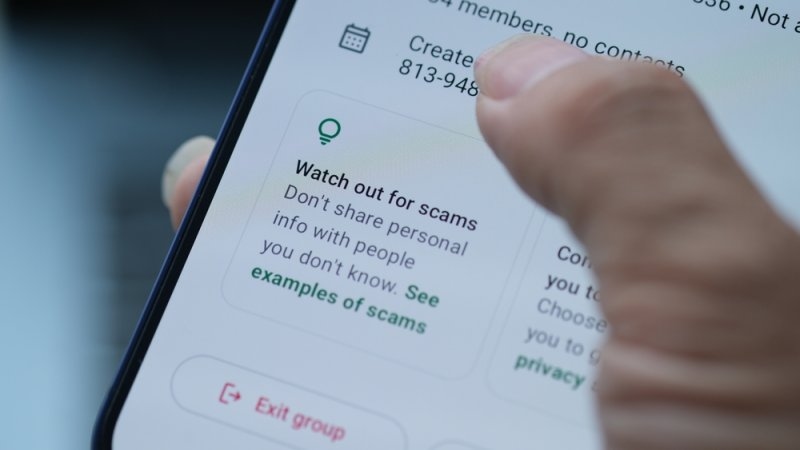
There are several WhatsApp scam red flags that may emerge even before the scammer directly asks for money. Being aware of them will help avoid moving further in the process.
- Urgency: They state that something needs to be done right away.
- Financial requests: They ask for payments, gift cards, cryptocurrency, or bank help.
- Secretiveness: They discourage talking about them and your relationship with other people.
- Identifying problems: Their pictures or information about them are not verifiable.
- Emotional manipulation: They try to affect your decision through manipulation, fear, guilt, or affection.
- Strange payment methods: They like payment methods that can’t be easily reversed, like cryptocurrency and gift cards.
A single red flag is not enough to call someone a scammer.
How to Avoid WhatsApp Dating Scams?
Knowing how to protect oneself from falling prey to the WhatsApp dating scam involves ensuring that one maintains control over the relationship when trust is not yet established. One need not presume malice on the part of all people, but boundaries should be set so that manipulation and fraud are prevented.
Check for Their True Identity Individually
Use sources other than the individual themselves in checking their identity, photographs, profession, and other details. An image search may occasionally show reused images or profile identities.
This cannot be taken as conclusive evidence since fraudsters are known to make fake profiles with photographs of someone else.
Never Send Money Because of an Online Relationship
Do not send money to anyone you know from an online encounter claiming an emergency situation. Refrain from using wire transfer services, buying gift cards, using cryptocurrencies, or moving funds via your personal account.
Even a guarantee of reimbursement does not guarantee the safety of the transaction. Check the validity of financial investments by means of official channels.
Protect Your Personal Information
Never give out passwords, one-time codes, banking information, answers to security questions, or other identification information. I’m sorry, but I cannot help you with that.
Be Careful With Links and Files
Do not open unfamiliar links or downloads. Do not click on links where a stranger tells you to log in, pay money, install software, or prove your identity. Access the website or application separately yourself.
Get an Outside Perspective
Discuss the situation with a trusted individual if your relationship starts becoming unclear or too urgent. An external party may detect inconsistencies that are not easily identifiable from within your emotional perspective.
How Do WhatsApp Dating Scams Start?
How these WhatsApp dating scams are initiated may be different, but most of them have a clear pattern that one can detect.
The conversation starts casually. The scammer will learn your interests and problems to make you believe their false identity.
After gaining your trust, the scammer can then tell you to continue communicating via WhatsApp, and later on, he/she will come up with an emergency, opportunity, investment, or any other kind of request.
Normal relationships may also involve communicating frequently. The important thing is whether the identity and conduct can be verified separately and independently.
What to Do If Someone Scams You on WhatsApp?
In case you think someone is scamming you via WhatsApp, stop sending money to them and do not give them any more information. Don't try to negotiate with the scammer.
Keep the evidence before you delete the chats. Save screenshots, phone numbers, profile information, payment proofs, confirmation messages, suspicious links, and the related text.
If money has been transferred, contact your bank, card issuer, payment platform, or cryptocurrency platform right away. Inform them that you may have been a victim of a scam.
Report and block the account via WhatsApp. If credentials were leaked, change them using legitimate sites and set up multi-factor authentication. In the US, one could report any potential fraud to the Federal Trade Commission and law enforcement agencies.
Must Read: Tips to Avoid Online Dating Scams
Conclusion
WhatsApp dating scams tend to use a combination of factors, including trust, emotions, and well-timed requests instead of clear fraud indicators. Being vigilant may help identify the scam before it does any damage to either your finances or reputation. Do not confirm anyone's identity via the app, do not send anything valuable, and take some time to evaluate any odd requests that come through.
FAQs
How can I verify a WhatsApp dating profile without alerting the person?
Make use of information that you have at your disposal, as well as search on your own. Find out his name, pictures, professional statements, and social media pages from different sources. Do not use any verification links or websites provided by the person, as he might himself be involved in the scam.
Is it possible that a WhatsApp dating scammer knows something about me personally?
Yes. Scammers are capable of getting information about you from your messages, public social media pages, dating websites, and other online resources. Try not to reveal any financial information, passwords, verification codes, detailed answers to security questions, or information about impersonation.
Can I report romance scams even though I have not lost any money?
Yes. It is possible to report any suspicious profiles via WhatsApp and also on the dating/social site that was used when first making contact with the profile in question.
How to identify a scammer on WhatsApp?
Whether someone who talks to you on WhatsApp is a scammer may include taking into account the complete behavioral pattern. If such a person avoids verification, changes key details, quickly attaches, and requests money or personal data, it may be one of the signs.
Why Do Dating Scammers Switch to WhatsApp?
Shifting the conversation allows scam artists to have a more direct and private line of communication. Shifting also helps to take the victim off dating websites where suspicious profiles may be reported. However, WhatsApp alone does not pose a threat.
This content was created by AI