What is Dry Texting? What are its Signs and How to Respond?


We’ve all done it—been excited about texting someone, crafted a thoughtful message, and then…gotten a reply with "k," "lol," or "sure." Suddenly, the conversation feels one-sided, and you're questioning whether they even want to talk to you.
If that sounds familiar, you are definitely not alone. Research indicates that texting is still one of the most prevalent forms of communication, with billions of text messages sent daily worldwide. Despite how often we communicate via text, we still regularly miscommunicate. Sometimes, a brief response can feel like they don’t care, even if that wasn't their intention.
Whether you are in a new friendship, dating someone new, or experiencing dry texting within a relationship, learning about it will hopefully help you avoid the inevitable confusion. In this article, we'll explain what Dry Texting is, list typical signs and dry texting examples, discuss why we do it, and offer advice for how to respond.
What is Dry Texting?
Let’s tackle the initial question: What exactly is Dry Texting?
Dry texting is when you use a lot of short, brief, or dull responses that don't contribute to the conversation and can kill conversation, making it hard to maintain it.
Examples of dry texts may include:
- Ok
- K
- Lol
- Sure
- Nice
- Cool
- Yeah
One dry response doesn't automatically mean a dry texter, but if you continually receive short replies with nothing interesting or questions asked, it can be an indicator that the other person may be bored. It’s possible someone is busy, stressed, or distracted.
Signs of Dry Texting
If you are an observer, you can spot many signs of Dry text on the go. Nonetheless, several common signals that suggest genuine dry texting may be happening are:
One-word replies
The first, most obvious characteristic of a dry texter is that he or she will give you multiple, single-word answers.
You: "How was your day?"
Them: "Fine."
It technically answers the question, but the conversation ends there, and no further dialogue will ensue.
No Follow-up Questions
Part of the dynamic in every successful conversation is the back-and-forth of showing interest.
If the other person never reciprocates with a question of their own, the conversation can quickly turn tiring.
Delayed, Short Responses
Taking hours to reply isn't necessarily a negative; however, receiving a reply with extremely short messages can suggest disinterest.
Lack of Enthusiasm
Text messages often allow us to express our tone of voice through anecdotes, emojis, responses, and storytelling. People who send dry texts rarely include these things.
Dry Texting Examples
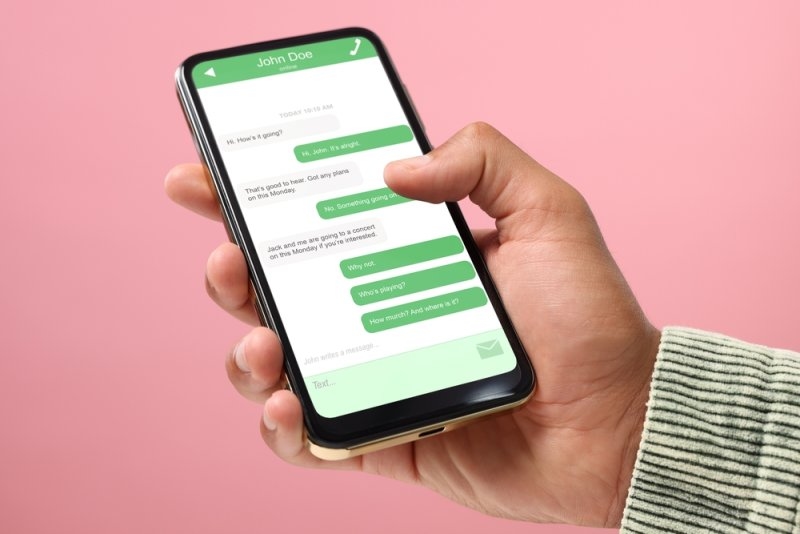
It's helpful to understand the distinction between texting and dry texting. Here are the sample examples below:
Example 1
You: "My vacation was amazing; I just got back yesterday."
Them: "Nice."
Example 2
You: "So do you have anything fun planned this weekend?"
Them: "Nothing."
Example 3
You: "Finally! I finished the project that was stressing me out."
Them: "Good."
While the above responses are still polite, they do not continue the conversation. It signifies they are not into you and are potential red flags.
Reasons Why People Dry Text
It's easy to assume that Dry texting is always indicative of disinterest. In fact, this could not be further from the truth. There are a number of potential reasons someone might dry text:
They Are Busy
Life is stressful enough without constant communication. Individuals need to dedicate attention to their work, education, family, or life in general. As such, some individuals may simply not have the time or energy for extensive text conversations.
Texting Isn’t Their Primary Communication Style
Some individuals just communicate more effectively face-to-face or by phone, and their texting skills aren’t as developed as they’d like. This doesn't necessarily reflect any kind of disinterest whatsoever.
They Are Socially Drained
If someone is feeling overwhelmed or burnt out, their texting habits might reflect this. Even people who are extremely social may only want to share short responses when they are exhausted after a long day.
They Are Losing Interest
In some cases, Dry texting does signify lost interest. If the conversations continue to be one-sided and one person has stopped putting effort into them, it might be time to consider whether the connection is weakening.
Dry Texting in a Relationship
If you notice that your partner seems to be dry texting, it can be especially frustrating because communication in a relationship is such a vital part of intimacy and connection. When one partner continually sends responses that say little, it is understandable to feel ignored or disconnected from one another. However, a texting style alone rarely tells the entire story; before jumping to conclusions, it is beneficial to consider the following:
- Is the texting style new?
- Is there a particular stress in their life right now?
- Are they engaging similarly in phone conversations or in person?
A candid conversation may get to the bottom of issues faster than making assumptions.
How to Respond to Dry Texting?
Dry texting can be annoying, but there are many ways to address it.
Don’t Overanalyze Every Text Message
It is easy to get hung up on the brief message someone sent; however, lack of tone of voice and the limited context of a text may often say something else completely.
Ask Open-ended Questions
Asking questions that can't be answered with "yes" or "no" may prompt the other person to write more than a single word or short sentence:
Instead of "How was your day?"
Try the following: "What was the best part of your day?"
Match their Energy
Always carrying the conversation alone can be exhausting. Allow the other person space to share their input as well.
Communicate Directly
If dry texting becomes an ongoing issue in a friendship or a relationship, it is worthwhile to have a direct conversation about your feelings. Most people do not realize how much their texting style is impacting others.
How to Avoid Being a Dry Texter?
If someone has called you out for Dry texting, have no fear. Small adjustments can go a long way:
Add Context to your Responses
When giving an answer such as "Good," consider explaining why. It will continue the flow of the conversation.
Ask Questions
This is what helps conversations continue. It also makes conversations interesting.
Share your Experiences
This often entices the other person to share theirs in turn.
Show Interest
People love to be heard and listened to. This type of responsiveness can strengthen friendships and romantic relationships.
Conclusion
Dry texting is much more prevalent than many people understand; while it could signify disinterest, it doesn't always. We have discussed how to spot dry texting, the various reasons we dry text, and how to deal with dry texting in relationships.
The main takeaway is that context is important. Dry texting should not define your relationship; however, the conversation style can provide clues about the nature of your connection with that person. Paying attention to open communication, giving and taking, and accepting diverse texting practices can lead to a powerful, authentic connection. For singles looking to create a deep, real connection, try Perfect10Dating.com to find a match.
FAQ
Can Dry Texting Be an Indicator of Social Anxiety?
Yes, this can be true sometimes. A person with social anxiety can have a difficult time with communication, including texting, due to not knowing what to say and wondering what others think. Often, this results in short answers, which can be mistaken for dry texting even when someone is willing and hoping to talk further.
Is Dry Texting More Common in Online Dating?
Many people claim to experience Dry texting more in online dating. As a participant is not yet as invested in the connection as they might be later on, and as communication with other users often takes place, you may find that texting styles can become rather brief.
Can Communication Styles Change Over Time?
Absolutely. How we communicate changes at different times in life, depending on stress, the stage of our relationship, and personal growth. It’s possible that two people who texted frequently at the beginning of their relationship no longer communicate in that same way anymore, but that doesn’t necessarily mean there’s a problem.
This content was created by AI