Social Media And Relationships In Young Love Today


Young couples are not just dating each other anymore. In a weird way, they are also dating inside an audience. Messages, likes, story views, old photos, location tags, close friends lists, and random follows. Tiny things, but they add up. That is why social media and relationships have become such loaded topics. Social platforms are deeply woven into modern romantic relationships, especially among young adults, and newer research keeps linking social media jealousy and digital surveillance behaviors with lower relationship satisfaction over time.
That does not mean social media ruins every relationship. Far from it. It can help couples stay connected, share life updates, support each other publicly, and keep closeness going across distance. But it also creates more opportunities for misunderstanding than older generations had to deal with. A seen message can feel loaded. A missed tag can feel personal. A follow can somehow become an argument. Ridiculous sometimes. Still real.
Social Media And Relationships Are Now Tied To Daily Habits
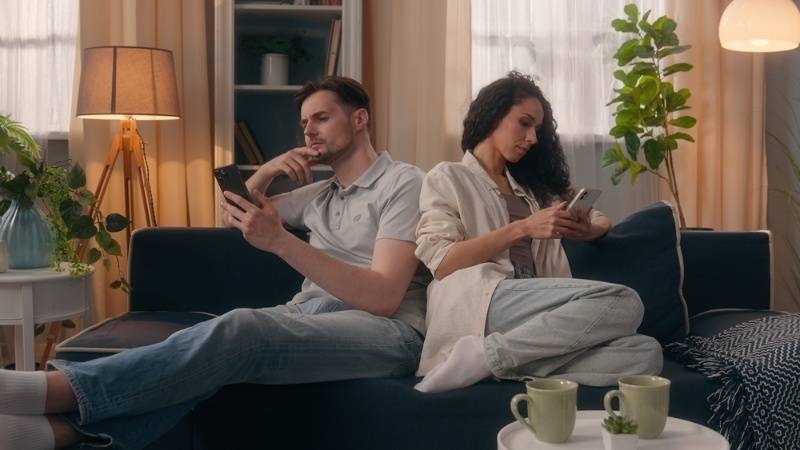
The first thing to understand is that social media is not just an extra layer for many young couples. It is part of the relationship environment itself. Pew’s 2025 data shows social media use remains widespread among Americans, especially younger adults, which helps explain why these platforms sit so close to modern dating and couple communication.
That is why the impact of social media on relationships is not always dramatic or obvious. It is often subtle. A partner checks stories before replying to texts. Someone notices an ex liking old posts. One person shares everything publicly; the other barely posts at all. None of these things automatically mean trouble. But they shape how the relationship feels day to day.
And honestly, that is what makes it tricky. The problem is usually not “social media” in one giant sense. It is how each couple uses it, interprets it, and fights about it.
Jealousy Grows Fast In Digital Spaces
A lot of relationship stress online comes back to jealousy. Not always huge jealousy. Sometimes just the small, nagging kind. The kind that starts with “that is probably nothing” and then somehow turns into a full mood spiral at 11:40 p.m.
A 2025 longitudinal study found that social media jealousy and electronic partner surveillance helped explain the link between attachment anxiety and lower relationship satisfaction over time in young adult romantic relationships. A 2023 study also found that communication skills mediated the relationship between social media jealousy and life satisfaction in people in romantic relationships.
That matters because social media relationship problems are often less about one bad post and more about the emotional habits surrounding it. Checking too much. Interpreting too fast. Assuming the worst. Quietly keeping score. It happens.
Public Sharing Can Feel Loving Or Weirdly Performative
Some young couples love posting together. Photos, soft launches, birthday reels, anniversary captions, and vacation stories. Fine. Others would rather keep the relationship private and low-drama. Also fine.
The problem starts when those expectations do not match. One person sees public posting as affection. The other sees it as pressure. One thinks, "Why not post us?” The other thinks, "Why does this need to be online at all?” Suddenly a simple social habit turns into a relationship meaning test.
This is where dating and social media get complicated. The app itself is not deciding what love looks like. The couple is. But if they never talk about those expectations, the internet starts filling in the blanks for them.
And that usually goes badly.
Communication Still Beats Guessing
This sounds almost too obvious, but it is still the fix for a lot of digital conflict. Couples do better when they talk directly about what bothers them online instead of playing detective in silence. The 2023 relationship study on social media jealousy specifically pointed to communication skills as an important factor in how social media jealousy related to life satisfaction.
That is why young couples relationship advice still comes back to the same boring truth: say the thing clearly. Not aggressively. Not with sarcasm. Just clearly.
Does replying to a story make someone uncomfortable? Say it. Does posting private moments feel too exposed? Say it. Does one partner expect more digital reassurance than the other naturally gives? Also say it.
Guessing is easier in the short term. Communication is better for the actual relationship.
Constant Comparison Can Mess With Real Connection
Social media also changes relationships by changing comparison. Couples do not only compare themselves to friends anymore. They compare themselves to everyone. Perfect trips, perfect anniversaries, perfect surprise gifts, perfect communication, perfect bodies, perfect chemistry. Or at least the polished version of all that.
Mayo Clinic notes that social media can affect mental health in both healthy and unhealthy ways depending on what a person sees, does, and how much time they spend online. A 2025 study on emerging adults also linked social-media-related attitudes, perceived stress, and well-being in meaningful ways.
That spills into relationships fast. A couple can be doing fine, then suddenly feel behind because somebody else posted a curated highlight reel. That is one of the quieter social media relationship problems that people do not always name directly. Comparison can create dissatisfaction even when nothing is actually wrong between the two people themselves.
Check Out: Shocking Crimes on Online Dating Sites You Must Know
Boundaries Are Not Controlling If They Are Mutual
Young couples often hear the word “boundaries” and either overuse it or avoid it. But good boundaries online are not about policing each other like managers. They are about agreeing on what helps the relationship feel safe and respectful.
That could mean not reading meaning into every follow. Or not posting private fights indirectly. Or not flirting in comments like it is harmless when one partner clearly hates it. Or deciding what stays private and what goes public.
This is where healthy relationship tips for couples actually matter. Boundaries work best when they are mutual, specific, and discussed before the next problem hits. Not invented mid-argument like emergency rules.
A healthy boundary sounds like "Can we agree not to mock each other online?” or “Can we talk before posting personal stuff?” It does not sound like one person building a digital prison for the other.
Trust Still Matters More Than The App
This is probably the biggest point. Social media can amplify issues, but it usually does not create a healthy relationship problem from absolutely nothing. It tends to expose whatever is already weak or unspoken.
If trust is solid, a random follow may stay random. If trust is shaky, almost everything online starts feeling suspicious. The 2025 longitudinal research on attachment anxiety, jealousy, and surveillance behaviors backs that up in a pretty direct way. When insecurity is already high, digital monitoring and jealousy can wear down satisfaction more over time.
So the real goal is not only managing apps. It is strengthening the relationship underneath them. Better trust. Better reassurance. Better honesty. Better repair after conflict. Those things travel much farther than any social media rule list.
Young Couples Need Real Life More Than Better Posting
There is a point where trying to optimize the online side of a relationship becomes its own distraction. Couples can spend so much time reacting to digital signals that they neglect the actual relationship sitting right in front of them.
Reuters reported just yesterday on a World Happiness Report finding that heavy social media use is linked with lower well-being for young people in some countries, especially when use is excessive and passive. That is not a romance-specific study, but it still matters because relationships do not exist outside personal well-being. If someone is overstimulated, stressed, insecure, or constantly online, that state travels into love too.
That is why some of the best young couples relationship advice is surprisingly offline. Spend more time together without documenting it. Put phones down sometimes. Let moments stay unposted. Build memories that do not need audience approval to feel real.
Read More: AI Relationship Issues: Are Tech Views Splitting Couples
Conclusion: Balance Looks Different For Every Couple
There is no universal right way to handle social media and relationships. Some couples share everything and feel great. Some barely appear online and are also great. The point is not choosing the “cool” method. It is choosing what protects trust, communication, and peace between the two people involved.
The healthiest balance usually comes from a few simple things: talking clearly, assuming less, comparing less, setting mutual boundaries, and remembering that digital behavior is only one part of the relationship. A very loud part, yes. But still only one part.
And that is probably the real answer. Young couples balance social media and love best when they stop treating the feed like the relationship itself.
FAQs
1. Does Social Media Harm Relationships Automatically?
No. Social media does not automatically damage relationships. It can help couples stay connected, but research shows jealousy, surveillance, and poor communication around online behavior can lower relationship satisfaction over time.
2. Why Do Young Couples Fight About Social Media So Much?
Because social platforms create constant visibility, comparison, and room for misinterpretation. Likes, follows, replies, and posting habits can all carry emotional meaning when couples do not clearly discuss expectations.
3. What Helps Couples Keep Social Media From Causing Problems?
Clear communication, mutual boundaries, less comparison, and more trust help most. Research also suggests communication skills can soften the negative link between social media jealousy and relationship well-being.
This content was created by AI